

On this page
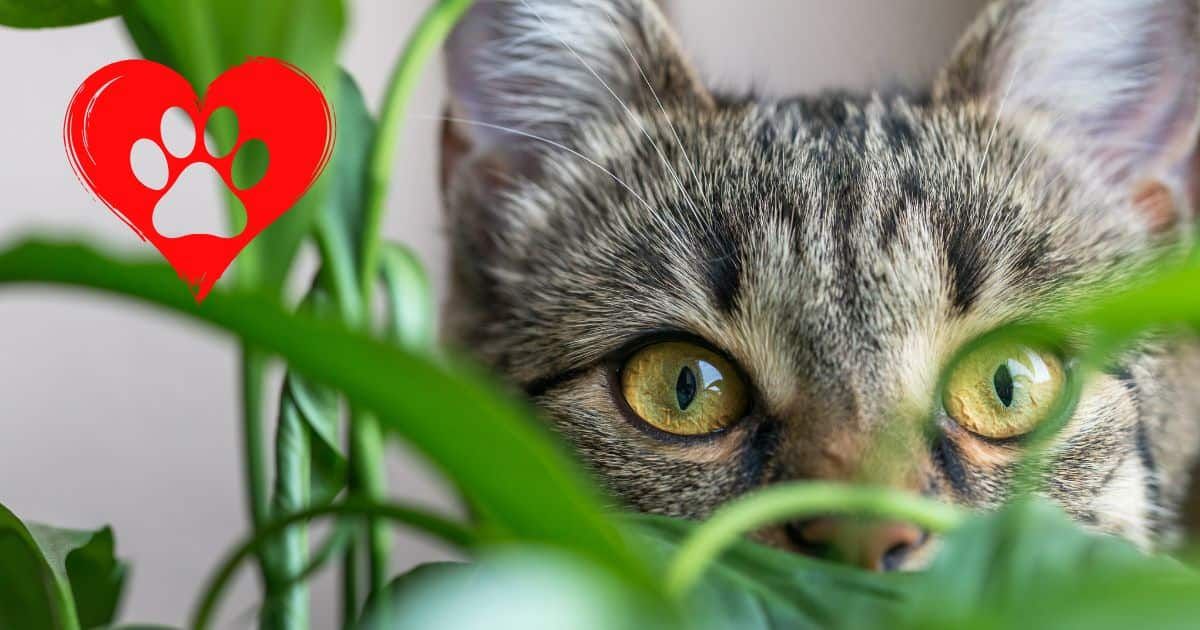
As a pet owner and plant lover, I’ve always been on the lookout for ways to create a lush, green home without putting our furry friends at risk.
Trust me, I know the struggle of wanting to fill your space with beautiful plants while ensuring your pets stay safe.
That’s why I’m excited to share my top 10 pet-friendly plants that are not only safe for your cats and dogs but also stylish additions to your home decor.
Let’s dive into the world of pet-safe greenery and transform your living space into a harmonious haven for both your plants and pets!
Top 10 Pet-Friendly Plants For Your Home
1. Money Tree (Pachira Aquatic)
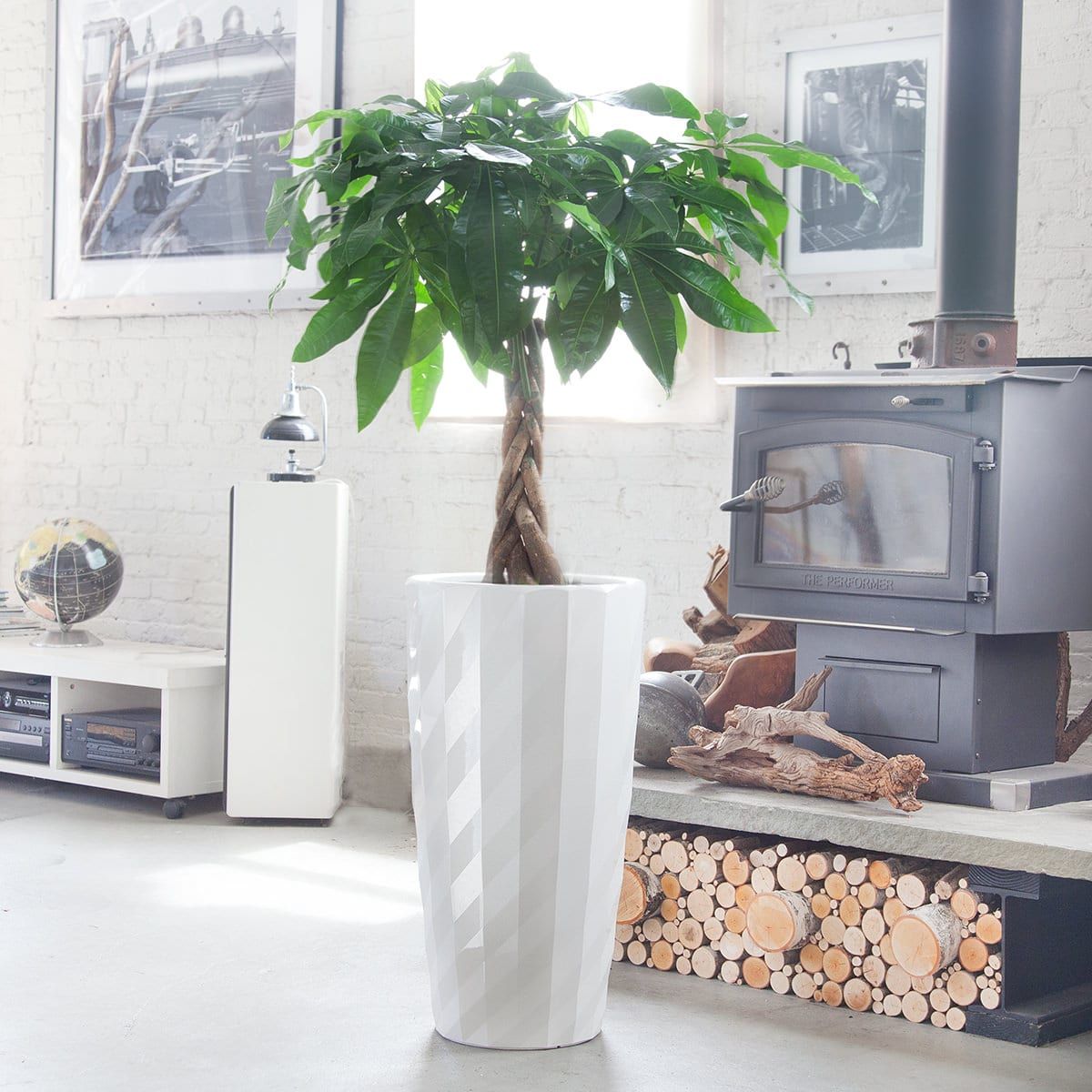
Who doesn’t want a little extra luck and prosperity in their home? Money trees are believed to bring good fortune, and they’re a popular choice in feng shui. Plus, they’re completely safe for your pets!
Care tips:
- They’re adaptable to low or bright indirect light
- Let the soil dry halfway through between waterings
- They’re pretty chill about humidity levels
I love using money trees to fill empty corners or create a focal point in a room. With proper care, they can grow quite large, giving you plenty of bang for your buck (pun intended!).
2. Boston Fern (Nephrolepis Exaltata)
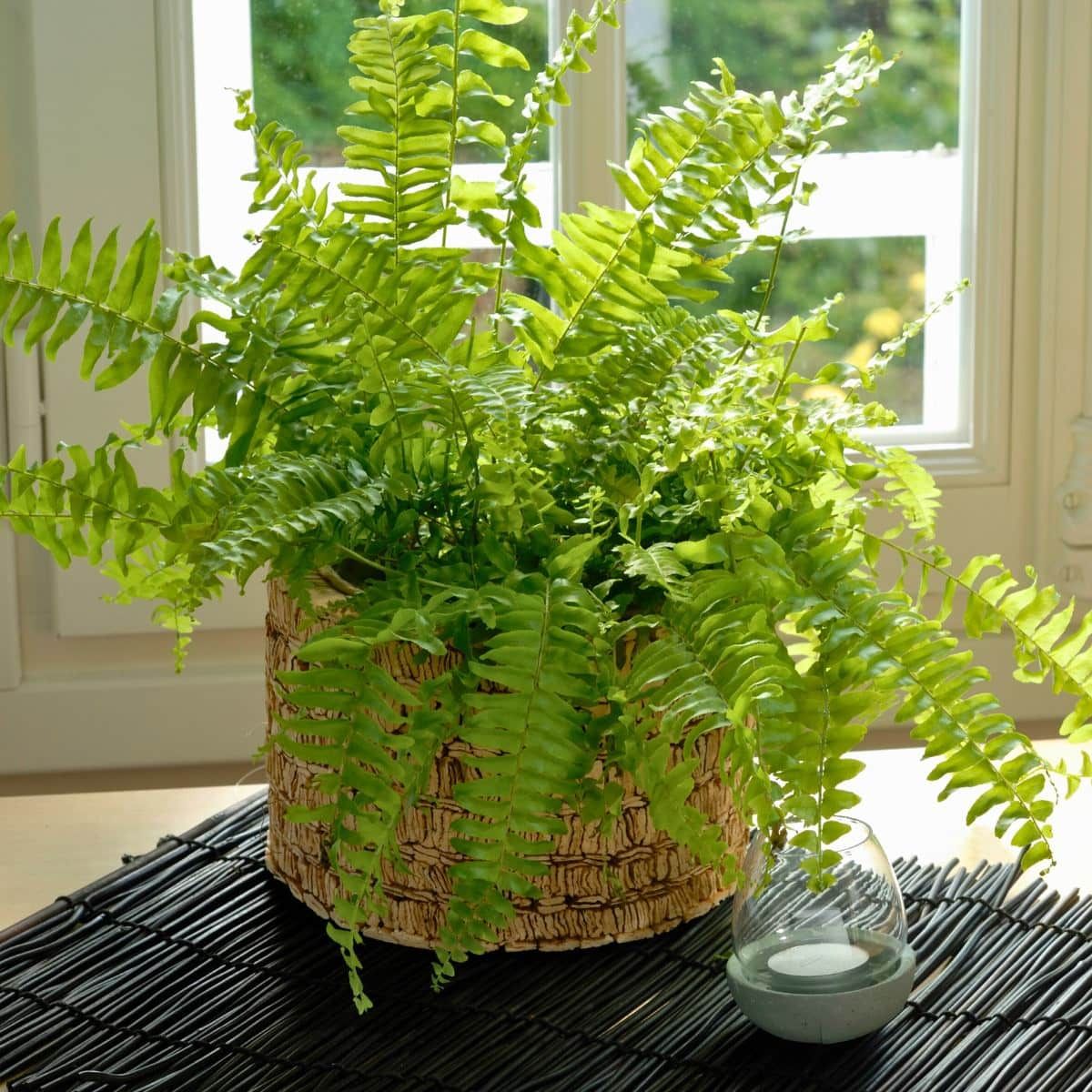
If you’re looking to add a touch of elegance to your pet-friendly home, Boston Ferns are the way to go. These lush, feathery plants are totally safe for pets and fantastic air purifiers. It’s like having a natural air freshener that your pets can’t knock over!
Care tips:
- They love high humidity and indirect light
- Keep the soil consistently moist, but not soggy
- Mist them regularly to keep those sexy fronds fresh
- Use a pebble tray for extra humidity or place a humidifier nearby
Just a heads up – while true ferns like the Boston fern are pet-safe, not all plants with “fern” in their name are non-toxic. Always double-check the toxicity category of a plant before bringing it home!
3. Parlor Palm (Chamaedorea Elegans)
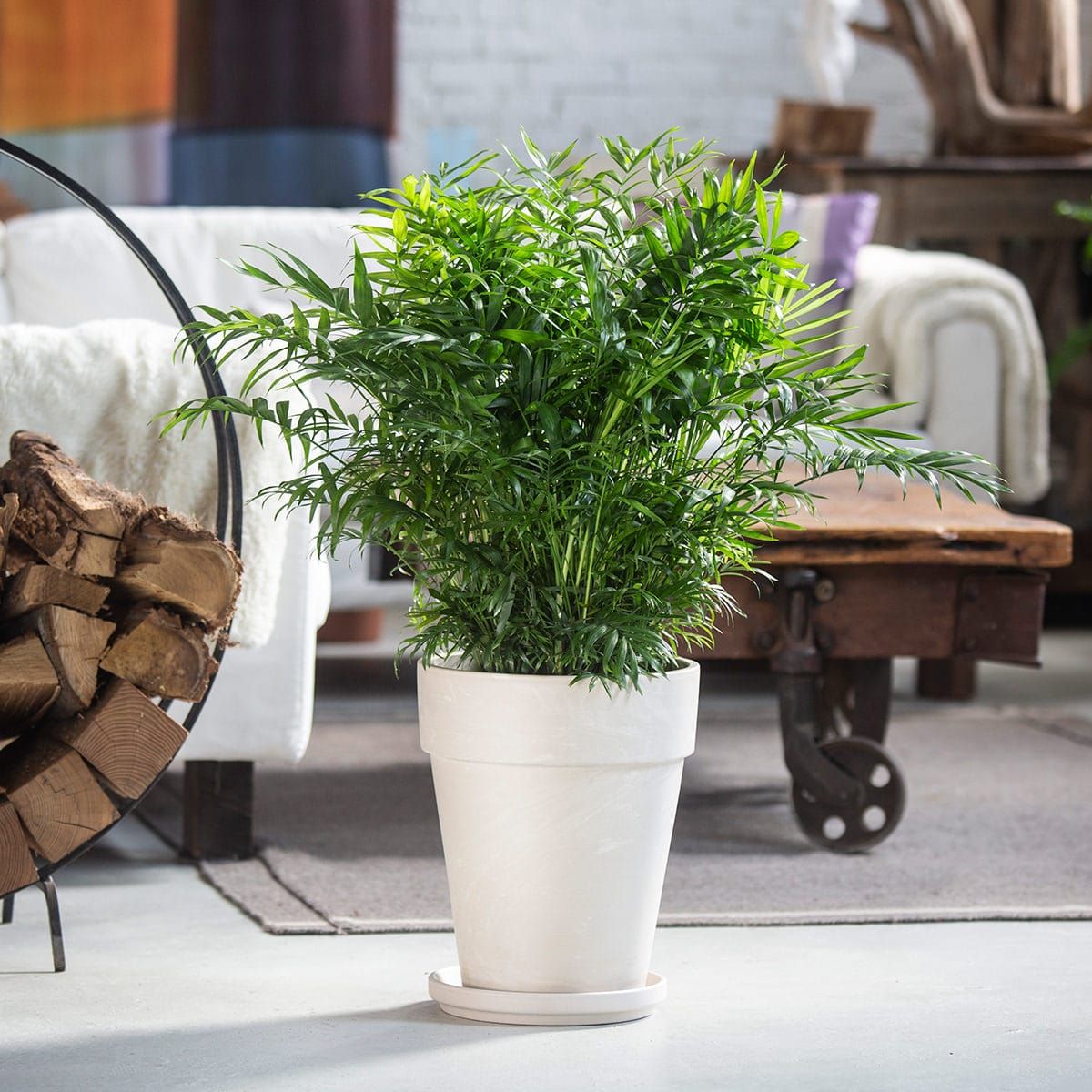
Want to bring a tropical vibe to your pet-friendly home? Look no further than the parlor palm. These elegant plants are slow-growing and can handle lower light conditions, making them perfect for those tricky spots in your home. It’s one of the best plants for bedroom decor.
Care tips:
- They can adapt to low or bright indirect light
- Water when the soil is dry halfway through
- They prefer higher humidity but can tolerate average conditions
Keep in mind that not all palms are equally safe for pets. I always double-check the specific species before bringing a new one into my home.
4. African Violet (Saintpaulia)
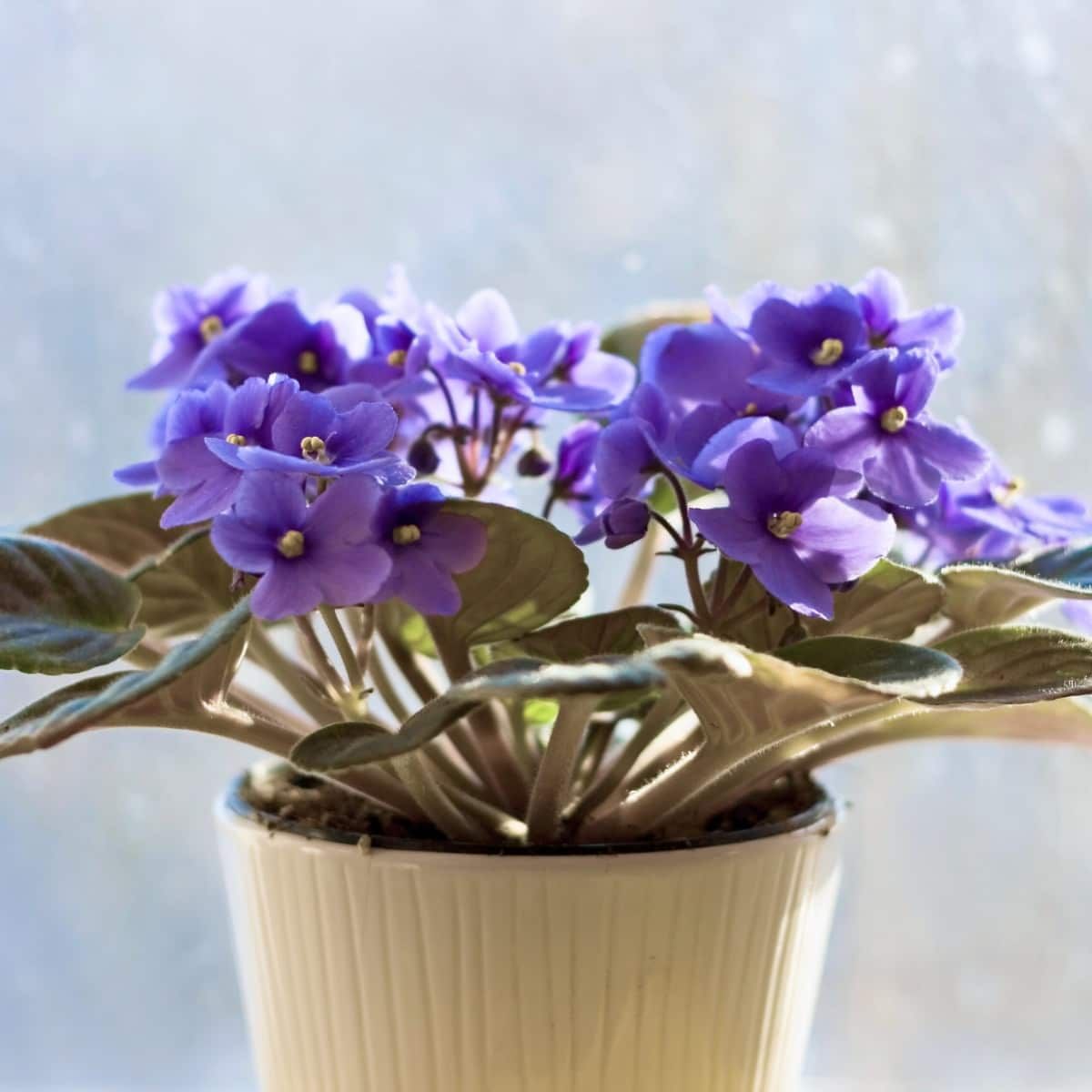
For those of us who crave a pop of color in our pet-safe plant collection, African Violets are a godsend. These charming little plants produce beautiful flowers in various shades of purple, pink, and white. And the best part? They’re completely safe for our furry friends.
Care tips:
- They love bright, indirect light
- Water from the bottom to keep those fuzzy leaves dry
- They appreciate slightly higher humidity
I love placing African violets on my desk or coffee table. They add that perfect touch of color without taking up too much space or putting my cat at risk.
5. Calathea
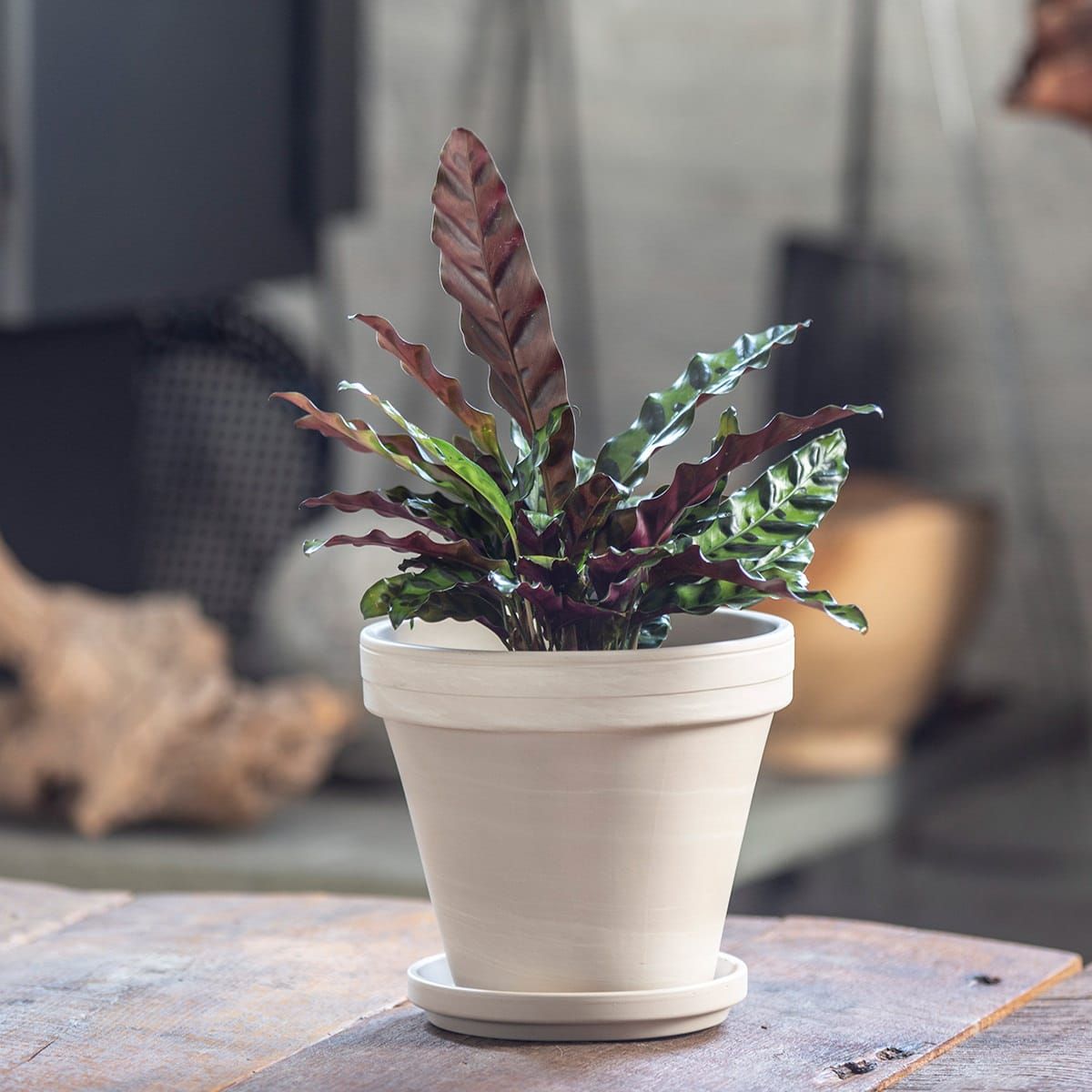
If you’re looking to add some serious style to your pet-safe plant collection, Calatheas are the way to go. These tropical beauties, also known as prayer plants, have striking foliage patterns that make them real showstoppers. And the best part? They’re totally safe for your furry babies.
Care tips:
- They do best in medium to bright indirect light
- Keep the soil consistently moist, but not waterlogged
- They’re humidity lovers – regular misting or a humidifier is a must
I’ll be honest, Calatheas can be a bit high-maintenance compared to some other plants on this list. But trust me, their stunning leaves make them worth the extra effort!
6. Christmas Cactus (Schlumbergera)
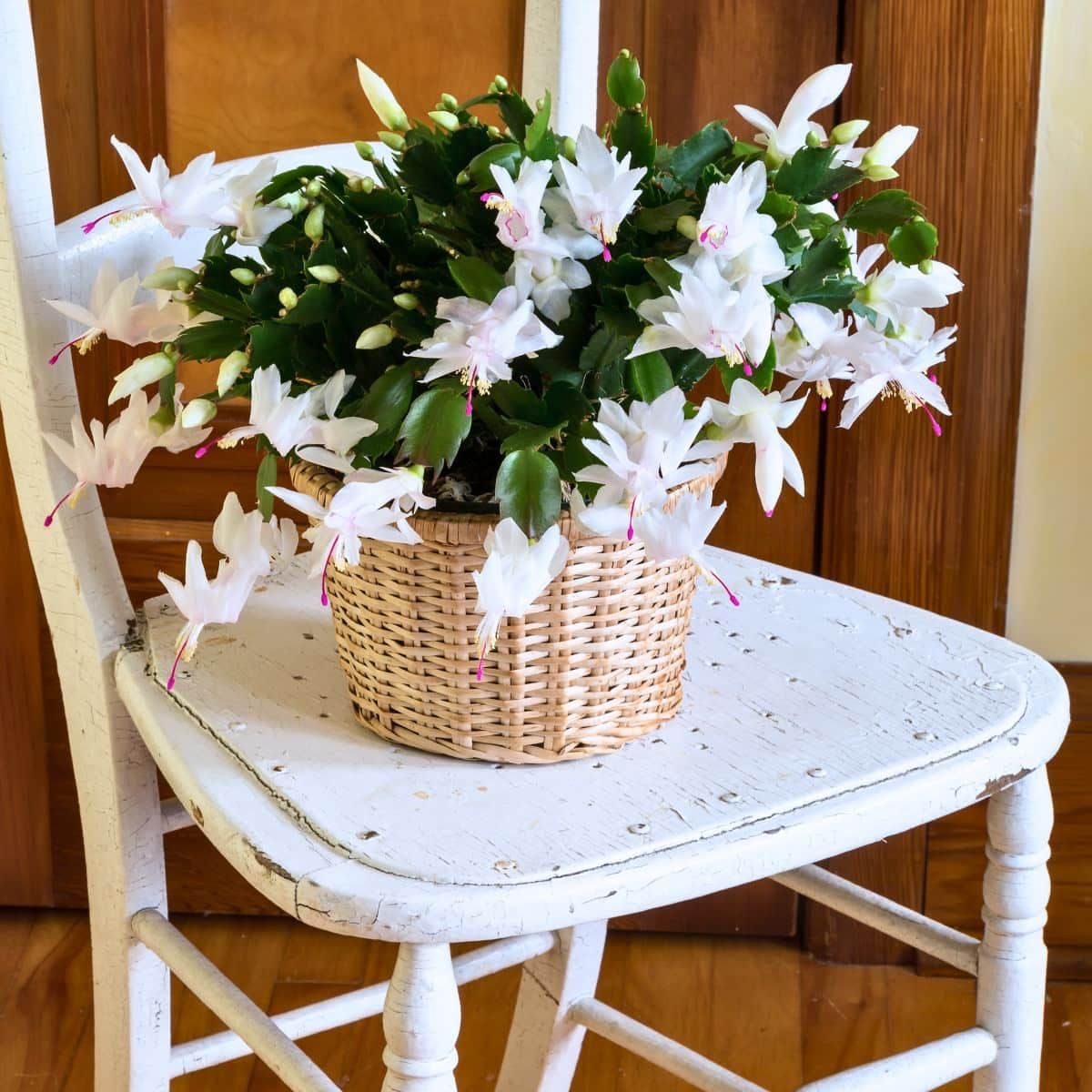
Who says you can’t have festive plants in a pet-friendly home? Christmas Cacti are not only safe for pets but also bring a burst of color during the holiday season. I’ve had my Christmas cactus for years, and it’s become a cherished part of my holiday decor.
Care tips:
- They prefer bright, indirect light
- Water when the soil feels dry halfway through
- They like higher humidity
Fun fact: Christmas cacti are actually succulents, not desert dwellers like their spiny cousins. They need more water and humidity than you might expect from a “cactus.”
7. Orchids (Phalaenopsis)
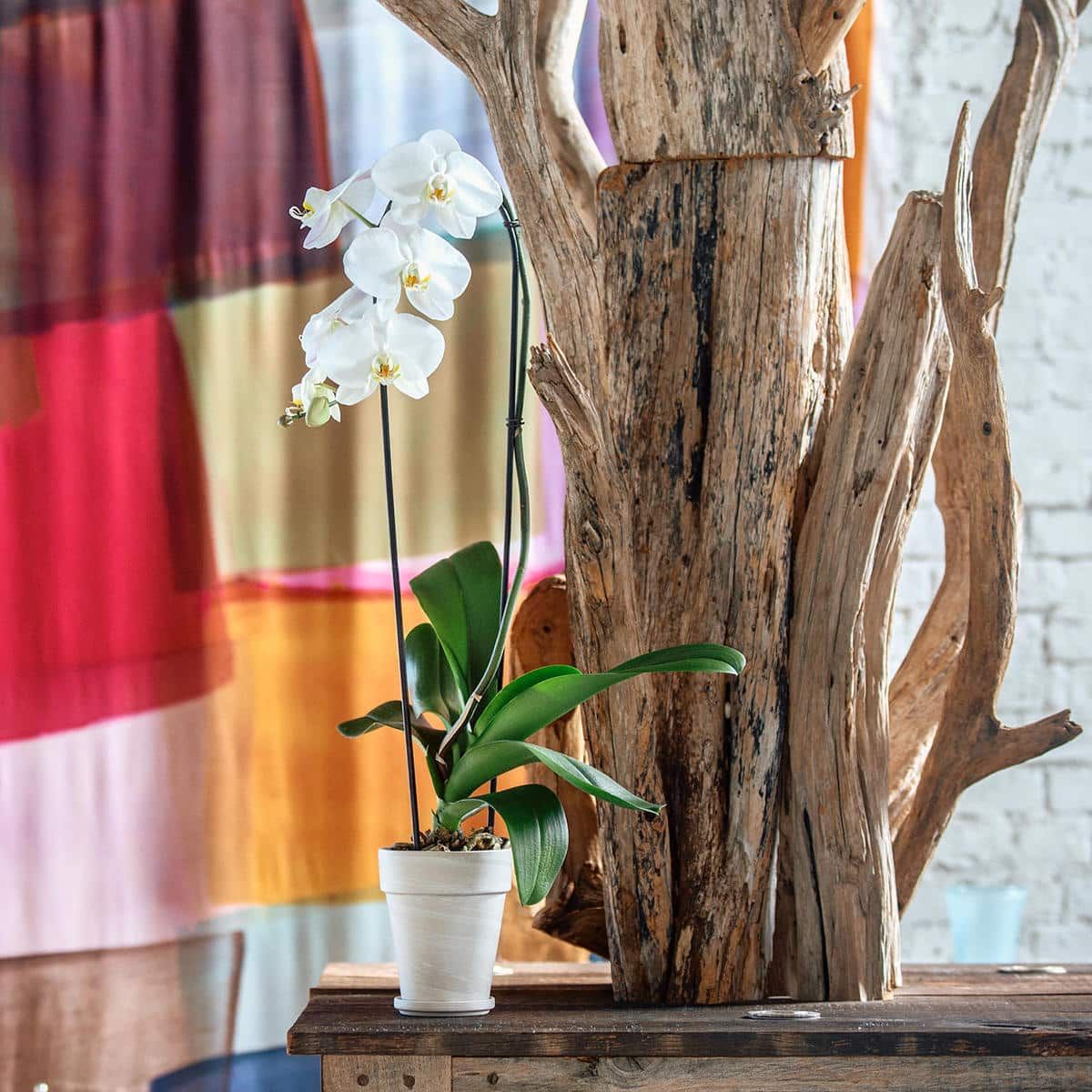
Last but certainly not least, let’s talk about orchids. Specifically, Phalaenopsis Orchids, also known as moth orchids. These elegant flowering plants add a touch of sophistication to any space, and they’re totally safe for your pets.
Care tips:
- They love bright, indirect light
- Water thoroughly when the potting medium is dry
- They enjoy higher humidity but can adapt to average conditions
- To keep orchids blooming, fertilize them every 2 to 4 weeks from spring to early fall
Don’t let their reputation for being difficult scare you off. Phalaenopsis orchids are actually pretty easy to care for once you get the hang of it. And with proper care, they can rebloom year after year, giving you a stunning display that’s safe for your furry friends.
8. Peperomia
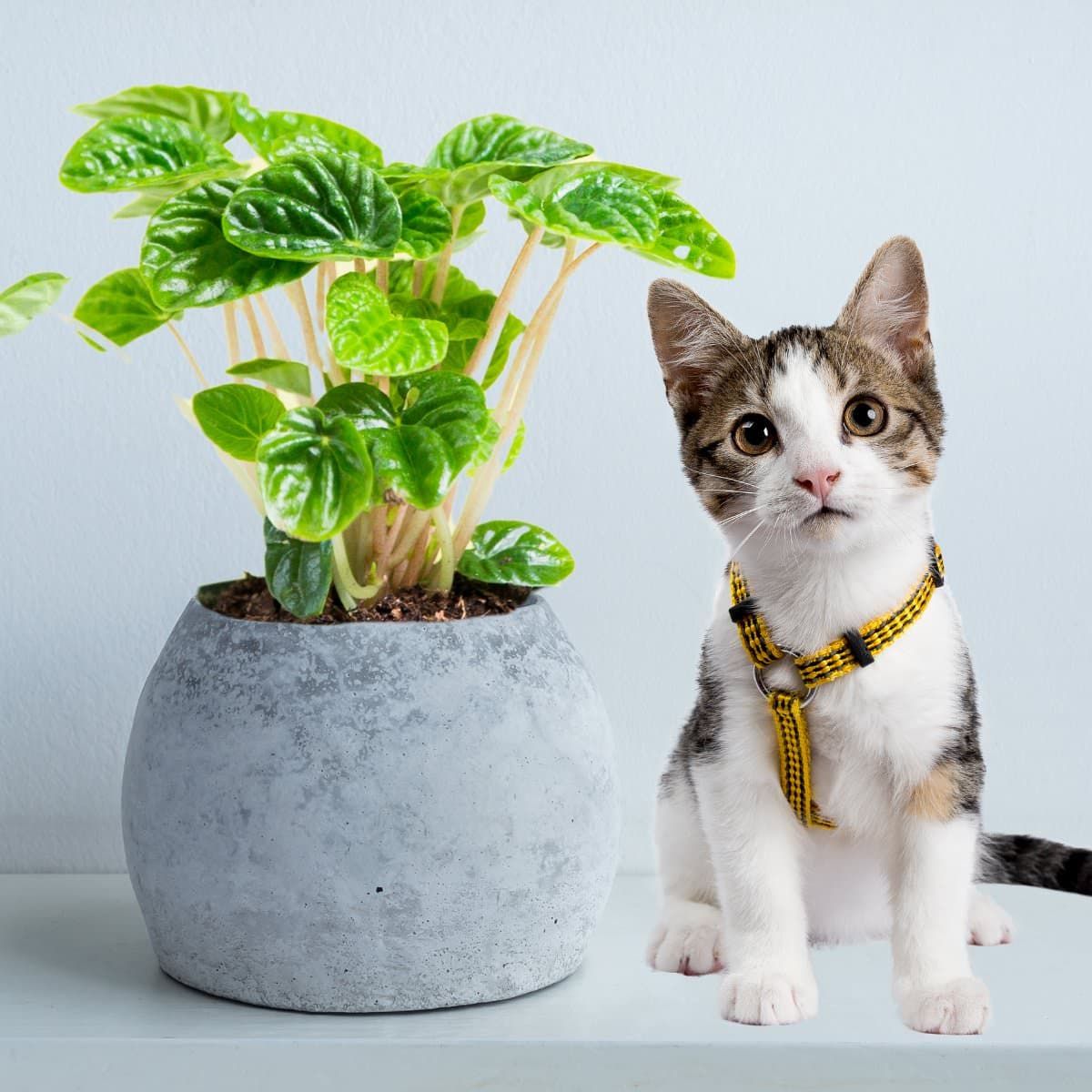
Peperomias are my secret weapon for small spaces that need a pet-friendly green touch. With so many varieties to choose from, there’s a peperomia for every style. My personal favorite is the Watermelon Peperomia – it looks like a tiny watermelon grew leaves!
Care tips:
- They thrive in medium to bright indirect light
- Let the soil dry out between waterings
- They’re pretty adaptable to different humidity levels
The best part? Most pets aren’t too interested in nibbling on peperomias, thanks to their thicker leaves. It’s a win-win in my book!
9. Ponytail Palm (Beaucarnea Recurvata)
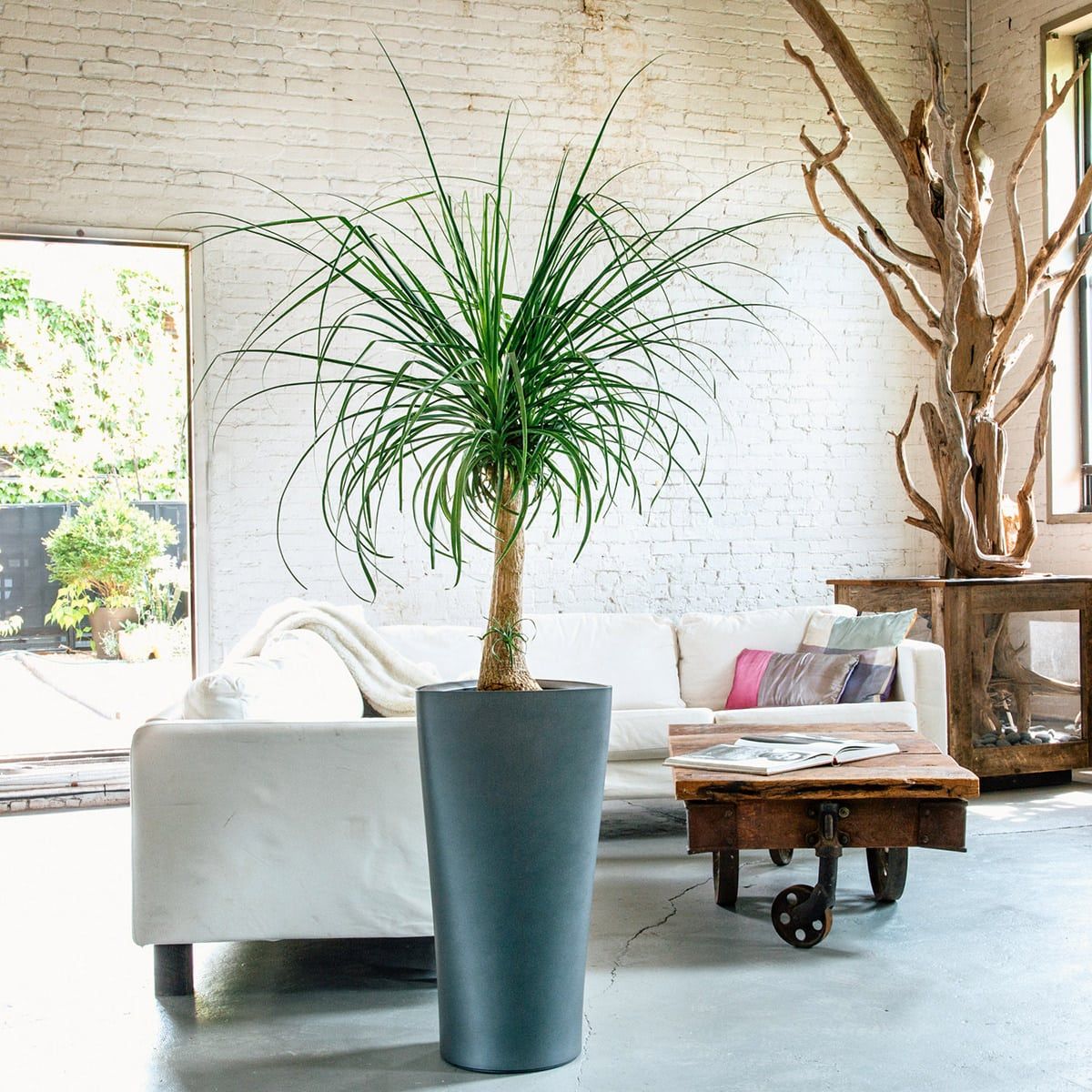
Despite its name, the Ponytail Palm isn’t actually a palm at all – it’s part of the Agave family. But don’t let that fool you; this unique plant is a showstopper in any pet-friendly home. With its bulbous trunk and long, thin leaves, it’s like having a mini tropical tree in your living room!
Care tips:
- They thrive in bright light and can handle direct sun exposure
- They’re super drought-tolerant, so water sparingly and only when the soil is completely dry all the way through
- They’re not fussy about humidity
I love recommending ponytail palms to my friends who are new to plant care or have busy lifestyles. They’re low-maintenance, pet-safe, and add a quirky touch to any room.
10. Spider Plant (Chlorophytum Comosum)
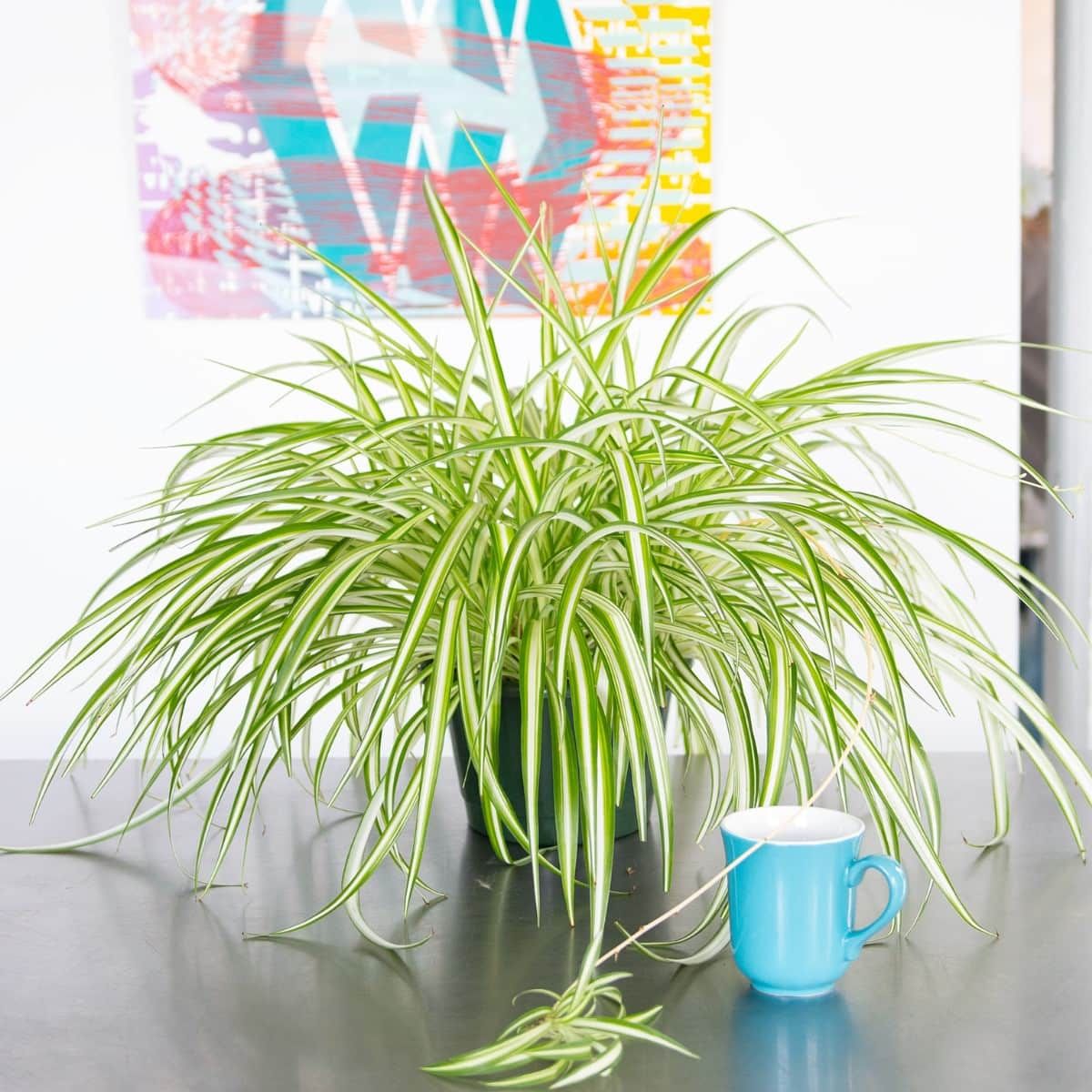
Spider plants are my go-to recommendation for pet owners new to the plant game. As one of the most popular low light plants, they are not only air-purifying champs and safe for cats and dogs but also super easy to care for. I love how their long, arching leaves create a cascading effect, especially when they start producing those cute little plantlets.
Care tips:
- They’re not too picky about light, but they thrive in bright, indirect light
- Let the soil dry out halfway through between waterings
- They’re pretty chill about humidity levels
Here’s a fun fact: spider plants might have a mild opioid effect on cats, making them extra appealing to our feline friends. I learned this the hard way when my cat turned my spider plant into his salad bar! Now I keep them out of paw’s reach, just to be safe.
Understanding Pet-Friendly Plants
What Makes a Plant Pet-Friendly?
You might be wondering, “What exactly makes a plant pet-friendly?”
Well, it’s simple – these are plants that won’t harm your furry companions if they decide to take a curious nibble.
While we always want to discourage our pets from snacking on houseplants, having pet-friendly options gives us peace of mind. I’ve found the ASPCA’s list of toxic and non-toxic plants to be a lifesaver in my plant-shopping adventures.
The Risks of Toxic Plants
Now, let’s talk about the plants we need to steer clear of.
Some common houseplants can be downright dangerous for our pets. I’ve had to say goodbye to a few beautiful plants after realizing they were on the no-no list.
Plants like Euphorbias, Philodendron, and Pothos are definite no-gos. And don’t even get me started on holiday plants!
Those festive Poinsettias and Easter Lilies might look pretty, but they’re bad news for our four-legged family members. If you ever suspect your pet has munched on a toxic plant, don’t hesitate to call your vet or an animal poison control hotline.
It’s always better to be safe than sorry!
Caring for Pet-Friendly Plants
When it comes to light requirements, most of our pet-friendly plant pals prefer bright, indirect light.
But don’t worry if your home isn’t flooded with sunshine – some plants, like the Parlor palm and Spider Plant, can handle lower light conditions.
Just do a little research on each plant’s specific needs, and you’ll find the perfect spot for them in no time.
Watering can be tricky, but here’s a general rule of thumb: always test the soil before watering and water only if the soil is dry enough! And use well-draining soil and pots with drainage holes. Trust me, root rot is no fun for anyone!
If you’re bringing home tropical beauties like ferns or Calatheas, you might want to invest in a humidifier or set up a pebble tray. These moisture-loving plants will thank you for the extra humidity.
When it comes to soil and fertilization, quality matters. Use a good potting mix that’s appropriate for your specific plants.
And don’t forget to give them a little nutrient boost during the growing season. I like to use a balanced, water-soluble fertilizer diluted to half-strength. It’s like giving your plants a little spa day!
Creating a Pet-Safe Plant Environment
Even though we’re dealing with pet-friendly plants, it’s still a good idea to keep them out of easy reach. I’ve had great success using plant stands, high shelves, and hanging baskets to elevate my plants.
For floor plants, you may try placing some aluminum foil or citrus peels around the base. It’s like creating a little “no-paw zone” that most pets will respect.
Training your pets to leave plants alone is possible with a little patience and consistency. Use positive reinforcement techniques and provide plenty of alternative activities or toys.
Remember to keep an eye on how your pets interact with new plants. Some might show zero interest, while others might decide your new Boston Fern is the most fascinating thing they’ve ever seen. Be prepared to adjust your plant placement or selection based on your pets’ behavior.
Lastly, if you ever suspect your pet has eaten a plant, even a non-toxic one, keep a close eye on them. While these plants are safe, ingesting any plant material can potentially cause mild tummy troubles. If you notice any vomiting, diarrhea, or unusual behavior, don’t hesitate to give your vet a call.
Creating a green, pet-friendly home is totally doable with the right plant choices and care strategies. By choosing from this amazing variety of non-toxic plants and using smart placement and training techniques, you can enjoy all the beauty and benefits of houseplants without worrying about your pets.
Always do your research before bringing new plants home, and when in doubt, consult with your vet. With a little planning and care, you can create a lush, pet-safe oasis that both you and your furry companions will love.
Green Meows 🙂
Planning your office redesign?
We can help with the green part
Comments