

On this page
Step 1: Test the Soil Moisture 🕵️♂️
Before you even think about watering your rubber plant, it’s crucial to check the soil. Always, always test the soil to make sure it’s dry enough and the plant is ready for a drink. The best way to do this is by using a soil moisture meter. Insert it into the soil as deep as possible around the plant.
Soil Moisture Meter For Houseplants
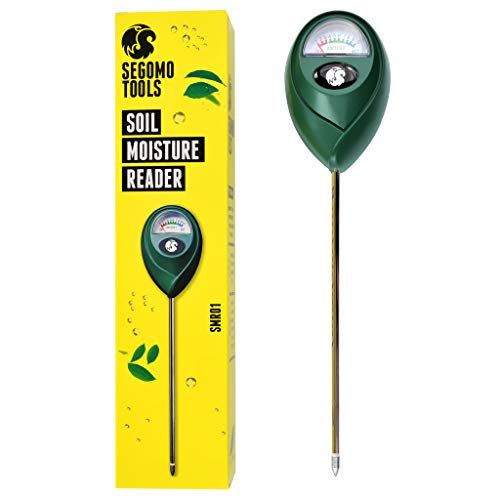
Buy Now We earn a commission if you make a purchase, at no additional cost to you.
Step 2: Understand the Soil Moisture Zones 📏
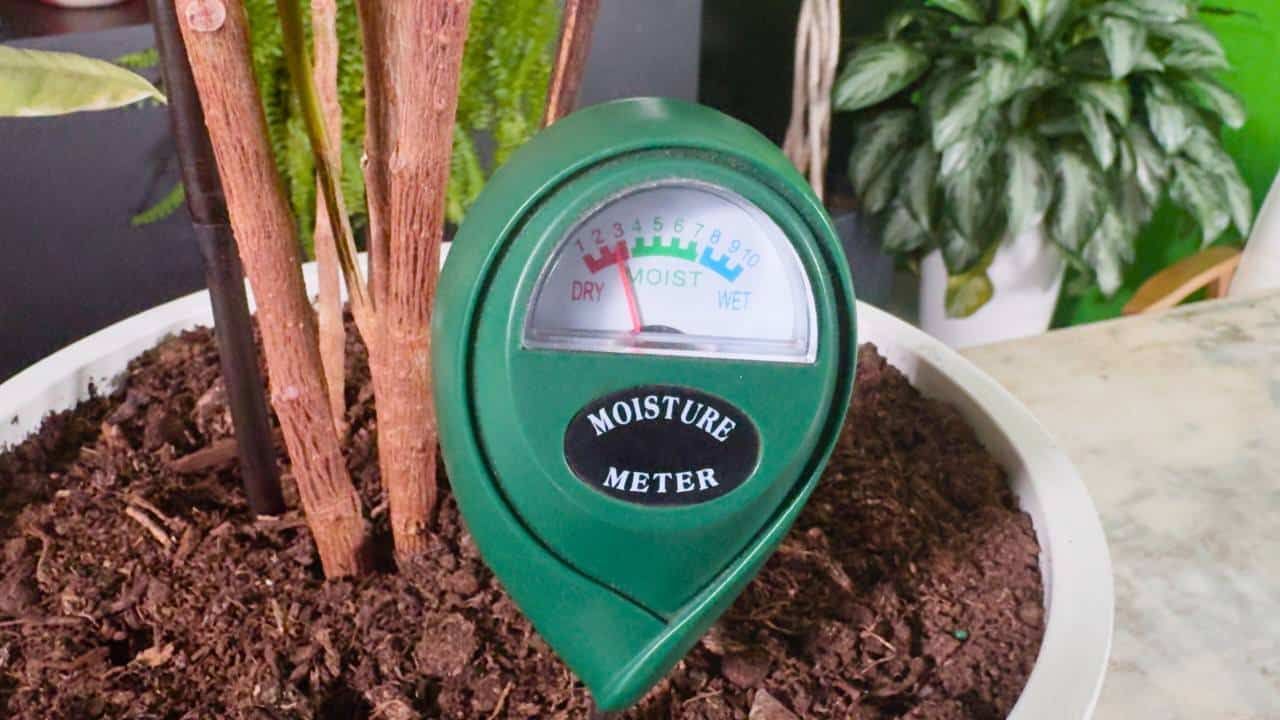
When you check the soil moisture reading, aim for a reading between zone three (the top of the dry zone) and zone four (the bottom of the moist zone). If your meter indicates that your rubber plant is in this range, congratulations! It’s time to water.
Step 3: Watering Technique 🚰
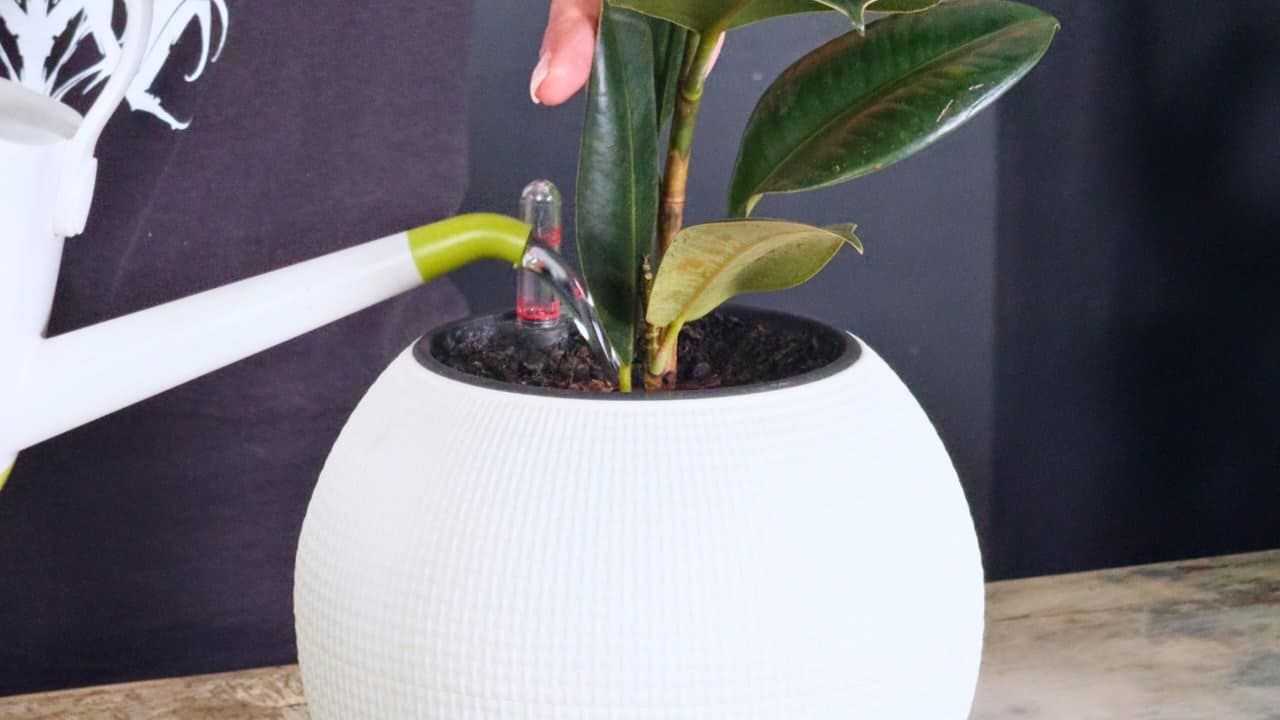
Now that you know your rubber plant is ready for a drink, it’s time to water. Pour water very slowly, and do this as close to the plant stem as possible. This helps ensure that the roots get the moisture they need.
Step 4: Rotate Your Plant 🔄
To make sure that the water is evenly distributed, rotate your plant while watering. This ensures that all roots have access to the water, promoting healthy growth.
Step 5: Check Again with the Soil Moisture Meter 📊
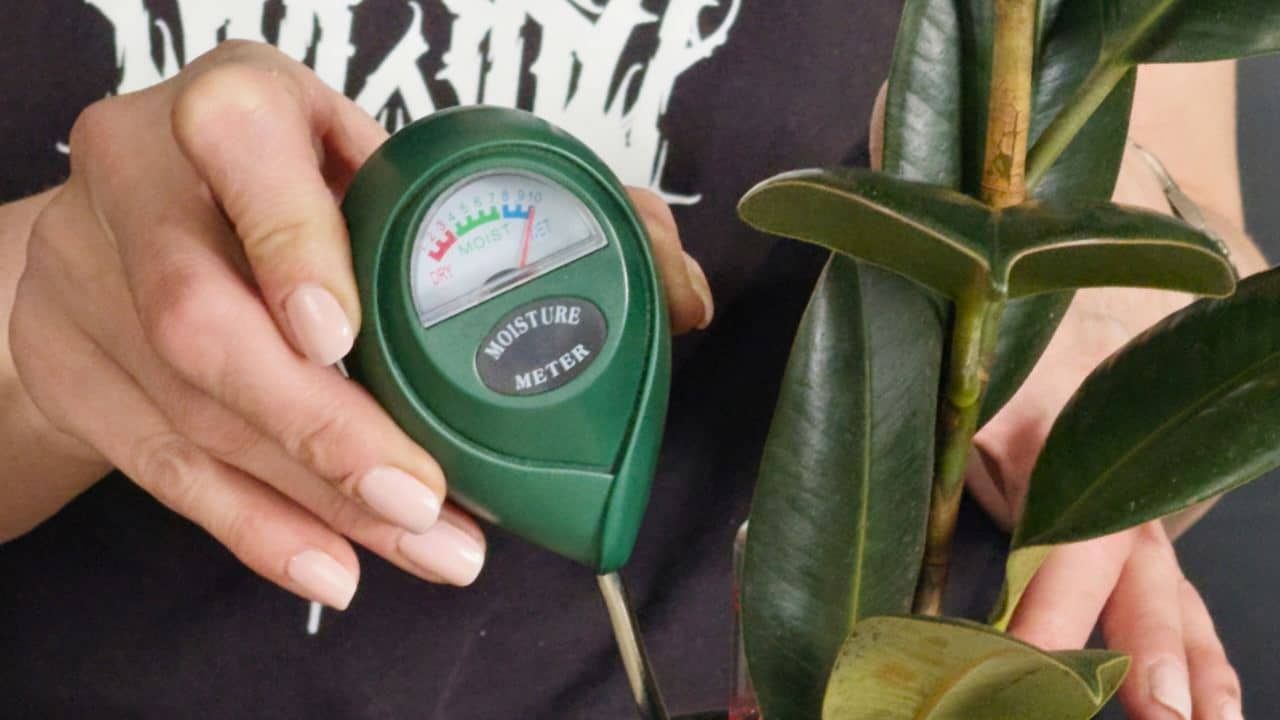
After watering, don’t just walk away! Use the soil moisture meter again to ensure that you used enough water. Insert it into the soil, and check if the reading has changed to the wet zone. This step is crucial to confirm that the bottom roots are well-hydrated.
Common Questions About Watering Rubber Plants ❓
How often should I water my rubber plant?
This depends on your specific environment, but generally, rubber plants prefer to dry out a bit between waterings. Always check the soil moisture before watering.
What happens if I overwater my rubber plant?
Overwatering can lead to root rot, which is detrimental to your plant’s health. Make sure to only water when necessary.
Can I use tap water for my rubber plant?
Yes, but it’s advisable to let tap water sit out overnight before using it. This helps to dissipate any chlorine that could harm your plant.
What should I do if my Rubber plant’s leaves are drooping?
If you notice drooping leaves, it might be an indicator that your plant needs more water. Check the soil moisture immediately!
More Rubber Plant Care Tips:
Planning your office redesign?
We can help with the green part
Comments